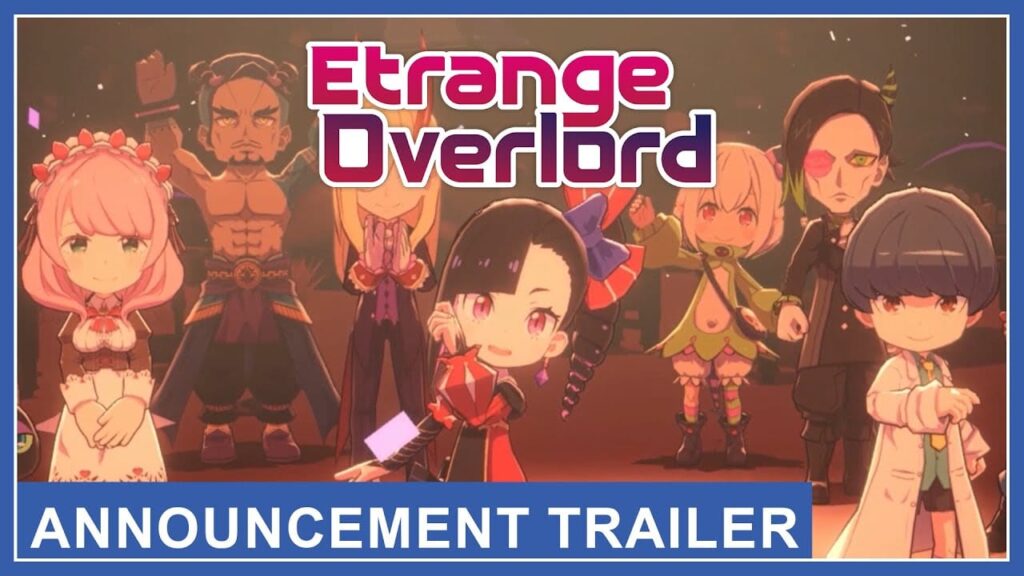
When I first heard about Etrange Overlord, I’ll admit—I was skeptical. Another action RPG promising something “different”? But after spending time with this quirky hellish adventure from Disgaea creator Sohei Niikawa, I realized this game is far more than just another entry in the crowded JRPG market. It’s a bold, chaotic, and surprisingly heartfelt experience that refuses to play by the rules.
What is Etrange Overlord? A Fresh Take on Action RPG Gameplay
Etrange Overlord is a musical action RPG that launched on March 26, 2026, for PlayStation 5, PlayStation 4, Nintendo Switch, and PC via Steam. Developed by Gemdrops, SuperNiche, and Broccoli, this title marks the first independent project from Sohei Niikawa, the legendary mind behind the Disgaea franchise and Rhapsody: A Musical Adventure.
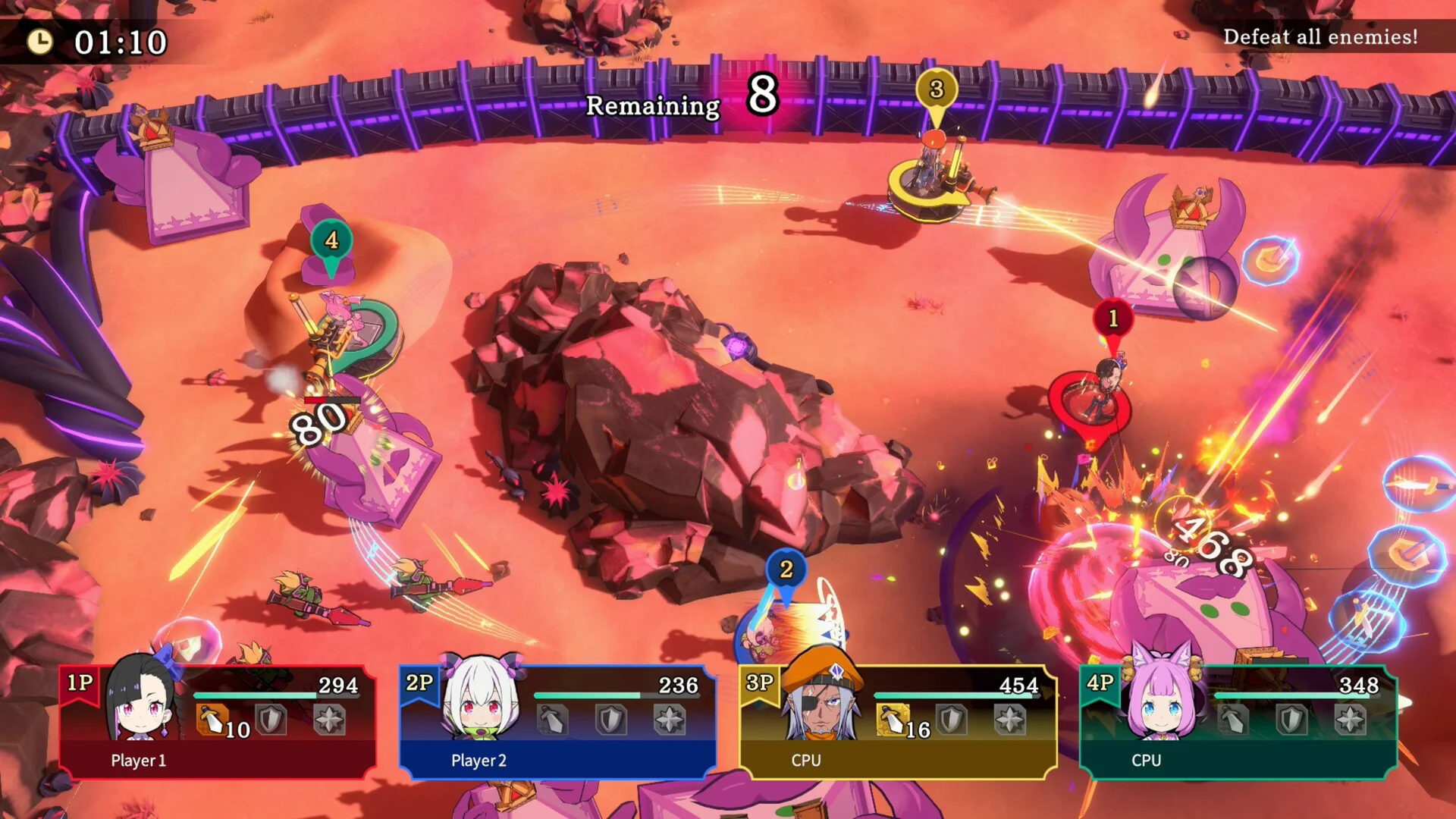
But here’s what makes it special: instead of the turn-based tactical gameplay fans might expect from Niikawa’s previous work, Etrange Overlord throws you into fast-paced, real-time combat with a unique twist—the revolutionary Lane System that changes how you approach every battle.
The Story: From Execution to Overlord
You play as Étrange von Rosenburg, a 17-year-old noble who gets the worst possible Monday morning. Falsely accused of assassinating the royal family, she meets Madame Guillotine up close and personal. But death? That’s just the beginning.
Waking up in hell surrounded by demons expecting her to know her place, Étrange does what any self-respecting wrongfully-executed noble would do—she unleashes a torrent of dark magic and decides to take over the entire underworld. Her motivation isn’t power for power’s sake, though. She just wants a “happy life” filled with her one true love: desserts and sweet treats.

It’s absurd, it’s charming, and it works beautifully. The narrative doesn’t take itself seriously, but it still manages to weave in surprisingly thoughtful commentary about free will, faith, and living life on your own terms.
Gameplay Deep Dive: The Revolutionary Lane System Explained
Core Combat Mechanics
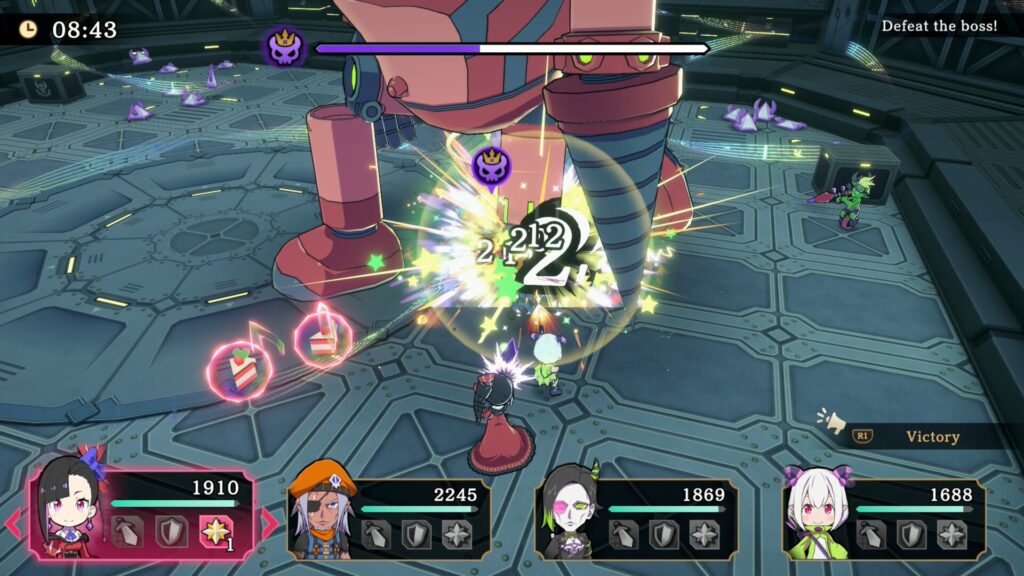
Unlike traditional action RPGs, Etrange Overlord keeps its combat refreshingly simple at the surface level. You control up to four characters simultaneously, switching between them on the fly. Each character has just three main actions:
- Basic combo attacks (your bread and butter)
- Special attacks (powerful moves with cooldowns)
- Dodge/dash (essential for survival)
But simplicity doesn’t mean shallow. What elevates the entire experience is the Lane System—the game’s signature mechanic that reviewers can’t stop talking about.
How the Lane System Works
Imagine musical tracks flowing endlessly around each battlefield, carrying power-ups, items, and bonuses. These lanes loop continuously, and timing your positioning to grab these enhancements becomes the key to victory. You’ll find:
- Attack power boosts for devastating damage
- Defensive shields to absorb incoming hits
- Special attack charges to unleash your ultimate moves
- HP recovery items for clutch healing moments
- Elemental bombs and devices for environmental interactions
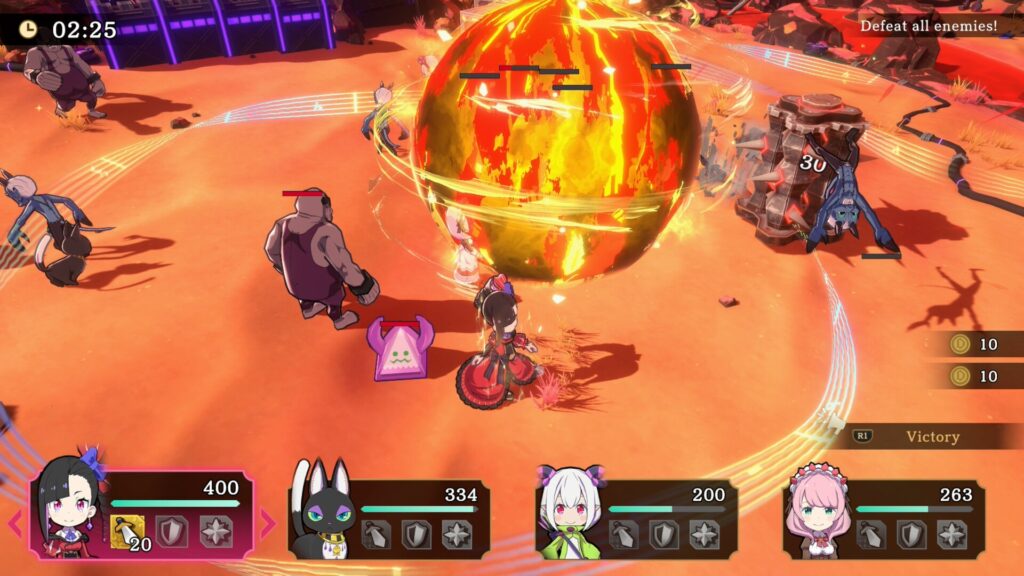
The brilliance? Each mission introduces unique twists on this system. One stage might require you to throw robotic devices into machines to create bombs. Another turns into an electrified wrestling ring where you need to stand on switches to keep the lane moving. It’s constantly surprising.
Character Variety and Progression
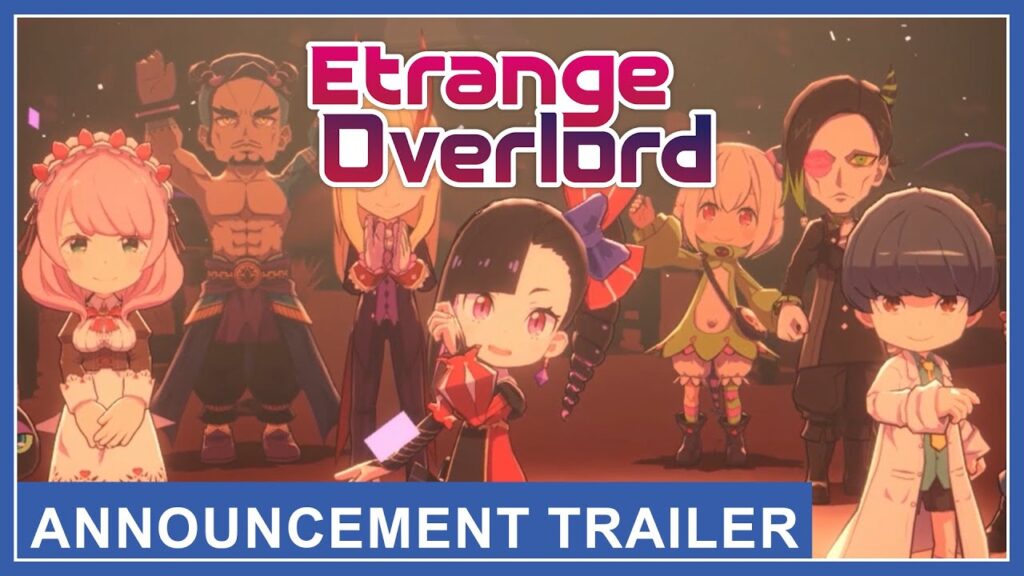
You’ll recruit 15 playable characters throughout your journey, each with distinct playstyles:
- Étrange von Rosenburg: Balanced dark magic user
- Cackie, Chuckie, and Chortie: Your first demon allies, each transforming into wildly different forms (sophisticated butler, muscle-bound strongman, neon-clad Tokyo fashionista)
- Sweetia: Your loyal maid obsessed with keeping you cake-fed
- Schwartz: A gun-toting mercenary who develops deep admiration (and fear) after you defeat him
- Cerberus: The guardian of hell transformed into three dessert-obsessed catgirls
The Musical Element: Broadway Meets Hell
Here’s where opinions diverge. Etrange Overlord bills itself as a “musical adventure,” and characters occasionally break into song to describe current events. These moments are brief, charming, and… infrequent.
If you’re expecting a full-blown musical like Rhapsody: A Musical Adventure, you might feel disappointed. The musical numbers feel more like occasional treats than core gameplay elements. They’re delightful when they happen—watching the spotlight highlight characters before they burst into operatic warbling always draws a smile—but they’re not extensive enough to truly define the experience.
That said, the voice acting (Japanese only) is excellent, and the soundtrack perfectly complements the chaotic energy of hell’s underworld.
Progression Systems: Streamlined and Purposeful
The Happy Life Level
Everything in Etrange Overlord revolves around Étrange’s pursuit of her “happy life.” Completing missions and side stories raises your Happy Life level, which unlocks:
- New resources and items for purchase
- Upgraded lane effects
- Character weapon improvements
- Additional side content
Lane Upgrades
As you progress, you can customize how your lanes function. Want more powerful attack buffs? Prefer defensive shields? The choice is yours, adding strategic depth without overwhelming complexity.
No Grinding Required
And here’s the best part—unlike many JRPGs, Etrange Overlord respects your time. You can engage minimally with progression systems and still succeed. The game is perfectly tuned to keep you moving forward without artificial padding.
Story Structure and Side Content
Main Story Campaign
The main narrative unfolds through visual novel-style cutscenes with gorgeously illustrated character art by legendary artist Shinichiro Otsuka. Expect:
- Playtime: 15-20 hours for main story completion
- Tone: Irreverent, absurd humor mixed with genuine emotional moments
- Themes: Free will vs. predestination, religious critique, self-determination
Side Stories Worth Your Time
Side content falls into two categories:
Character Stories: Essential vignettes that flesh out your companions and adversaries. These aren’t optional—they’re crucial to understanding the world and its inhabitants.
Chef Stories: Food-focused tales showing Étrange discovering (and ecstatically rhapsodizing over) hell’s culinary delights. They follow a similar format each time, which can feel repetitive, but they’re short enough to remain enjoyable.
Multiplayer: Bring Friends to Hell
Etrange Overlord includes 2-4 player local and online multiplayer, letting you tackle missions cooperatively. It’s a nice addition, though the game is clearly designed primarily for solo play. Still, bringing friends into the chaos adds another layer of enjoyment to the already frenetic combat.
Critical Reception: What Reviewers Are Saying
The game currently holds a 72/100 on OpenCritic based on 12 reviews—a “Fair” rating that places it in the bottom 48% of games. But dig deeper, and you’ll find passionate advocates:
Positive Reviews
RPG Site (9/10): “Etrange Overlord is a short and sweet RPG that doesn’t overstay its welcome, and hits all the right notes in its relatively short runtime.”
Noisy Pixel: Praised the balance between absurd humor and genuine emotional storytelling, with special emphasis on the standout protagonist.
Smash Pad: “A wonderfully compact experience that proves a game doesn’t need excessive side content or over-designed systems to succeed.”
Mixed Reception
RPGFan: While appreciating the experimental nature and flair, noted that the combat felt chaotic and imprecise, never quite achieving “celestial perfection.”
Nintendo World Report: Called it “an action-RPG with an interesting hook and a story that’s an acquired taste.”
Common Criticisms
- Musical elements feel underutilized
- Combat can feel chaotic and random rather than skill-based
- Lane system doesn’t offer enough strategic depth for some players
- Story humor won’t resonate with everyone
Visual and Audio Design
Graphics and Art Style
Etrange Overlord embraces a vibrant, anime-inspired aesthetic with character designs that pop off the screen. The visual novel segments feature gorgeous static illustrations, while combat arenas are colorful and varied—from hellish landscapes to mechanical fortresses.
The game runs smoothly across all platforms, with PS5 and PC versions offering the best visual fidelity at 1080p and 4K resolutions.
Sound Design and Music
With Japanese voice acting only (English, French, and Japanese text support), the game leans heavily into its anime inspirations. The soundtrack blends orchestral pieces with rock elements, perfectly matching the chaotic energy of taking over hell.
Pricing and Editions: Which Version Should You Buy?
Standard Edition – $49.99
Available digitally and physically for all platforms. Includes the base game with full access to all content.
Deluxe Edition – $59.99
Adds bonus content and digital extras (specifics vary by retailer).
Limited Edition – $89.99
Available through the NIS America online store, includes:
- Physical game copy
- Premium collectibles
- Art book
- Soundtrack CD
Demo Available: Try before you buy! A demo covering the opening acts is available on all platforms, with save data transferring to the full game.
System Requirements and Performance
PC Minimum Requirements
- OS: Windows 11
- Processor: Intel Core i3-1115G4
- Memory: 8 GB RAM
- Graphics: Compatible DirectX 11 GPU
- Storage: 15 GB available space
Console Performance
- PS5/PS5 Pro: Stable 60 FPS at 1080p/4K
- PS4: Solid 30 FPS performance
- Nintendo Switch: 30 FPS, some resolution compromises in handheld mode
Etrange Overlord vs. Similar Games
If you’re wondering how this compares to other action RPGs:
Etrange Overlord vs. Disgaea Series
While sharing a creator, these games are vastly different. Disgaea focuses on turn-based tactical combat with deep customization. Etrange is real-time action with streamlined progression. Think of it as Niikawa experimenting in a completely different genre.
Etrange Overlord vs. Hades
Both feature protagonists battling through underworld realms, but Hades emphasizes roguelike runs and tight action combat. Etrange is more story-focused with lighter combat demands.
Etrange Overlord vs. Granblue Fantasy: Relink
Granblue offers more complex action combat systems and endgame content. Etrange prioritizes narrative and accessibility over combat depth.
Tips and Strategies for New Players
Combat Tips
- Don’t ignore the lanes: They’re not optional—they’re essential to success
- Switch characters frequently: Different situations demand different character types
- Watch for mission-specific gimmicks: Each level introduces unique mechanics to master
- Use your dash liberally: Mobility keeps you alive and positions you for lane pickups
Progression Advice
- Complete side stories: They’re short and provide valuable context
- Experiment with lane upgrades: Find the setup that matches your playstyle
- Don’t skip chef stories early: They unlock cooking buffs useful for harder missions
- Replay missions for secondary objectives: But don’t feel obligated—the game is completable without grinding
Watch Etrange Overlord in Action
Want to see the game before committing? Check out these excellent video reviews and gameplay showcases:
Official Gameplay Trailer
A quick 1-minute overview showing off the core combat and Lane System.
Noisy Pixel’s Review – “A Delightfully Chaotic JRPG”
An excellent 8-minute review that captures both the strengths and quirks of the experience.
First Hour Gameplay Walkthrough
A full hour of no-commentary gameplay showing exactly what to expect from the opening.
PS5 Gameplay Showcase
Nearly an hour of PS5 gameplay demonstrating how the game performs on current-gen hardware.
Final Verdict: Should You Buy Etrange Overlord?
Here’s the truth: Etrange Overlord isn’t for everyone, but for the right player, it’s something special.
You’ll Love It If You:
- Appreciate quirky, experimental games that take risks
- Want a compact RPG experience (15-20 hours) without padding
- Enjoy absurd anime humor mixed with heartfelt storytelling
- Prefer accessibility over punishing difficulty
- Love creative game mechanics like the Lane System
- Are a fan of Disgaea’s humor and world-building
You Might Be Disappointed If You:
- Expect a full musical experience (the songs are sparse)
- Want deep, technical action combat like Devil May Cry
- Prefer serious, dramatic narratives
- Need extensive endgame content and postgame systems
- Dislike visual novel-heavy storytelling
- Expect Disgaea’s strategic complexity
The Bottom Line
Etrange Overlord is a brave, experimental action RPG that knows exactly what it wants to be. It’s rough around the edges, yes, but there’s genuine heart here. The Lane System offers refreshing innovation, Étrange is a fantastic protagonist, and the compact design respects your time in an era of bloated 100+ hour epics.
Final Score: 7.5/10
It won’t be remembered as a classic, but it’s absolutely worth experiencing—especially for fans of unconventional games willing to embrace chaos. At $49.99, it’s a reasonable investment for 15-20 hours of entertaining, quirky adventure.
As one reviewer perfectly summarized: “It’s better to reign in Hell than serve in Heaven.”
Where to Buy Etrange Overlord
- Steam – PC Digital
- Nintendo eShop – Switch Digital
- PlayStation Store – PS4/PS5 Digital
- NIS America Store – Physical and Limited Editions
More Game Reviews on DotWordle
Looking for more gaming content? Check out these related reviews:
- PS5 Pro Review – Is Sony’s Premium Console Worth It?
- The Coin Game Review – Arcade Nostalgia in 2026
- Alpha Nomos Preview – Rhythm Roguelike Innovation
- Fatal Frame II Crimson Butterfly Remake Review – Horror Classic Reimagined
Have you played Etrange Overlord? Share your thoughts in the comments below! Are you Team Étrange, or did the chaotic combat leave you cold? Let’s discuss this bizarre journey through hell’s confectionery-obsessed underworld.

Shahid Maqsood is a digital entrepreneur and SEO specialist focused on building engaging web experiences. He is the creator of DotWordle, combining creativity with smart, user-friendly design.