
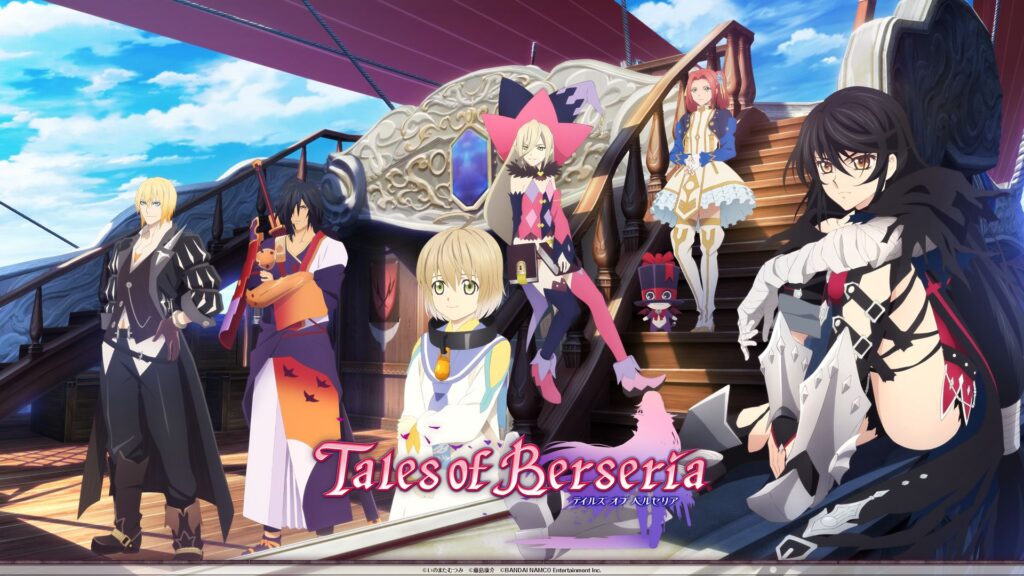
When I first heard that Tales of Berseria Remastered was hitting modern consoles, I wasn’t sure what to expect. After all, the original game launched less than a decade ago—did it really need the remaster treatment? But after spending over 50 hours exploring the Holy Midgand Empire with Velvet Crowe and her eclectic crew, I can confidently say this enhanced version breathes fresh life into one of the Tales series‘ most emotionally compelling narratives. Whether you’re a longtime fan or completely new to the Tales franchise, this remaster offers something special—though it’s not without its quirks.
Released on February 27, 2026, for PlayStation 5, Xbox Series X|S, Nintendo Switch, and Steam, Tales of Berseria Remastered arrives as part of Bandai Namco’s ambitious 30th Anniversary Remastered Project. Priced at $39.99, it includes nearly all original DLC content and a suite of quality-of-life improvements that modernize the 2017 experience. But does this dark tale of vengeance hold up in 2026’s crowded JRPG remaster landscape?
What Makes Tales of Berseria Stand Out in the Tales Series?
Let’s talk about what sets Berseria apart. This isn’t your typical hero’s journey. Velvet Crowe is the Tales series‘ first solo female protagonist, and she’s refreshingly complex—driven by rage, grief, and an unquenchable thirst for revenge. After witnessing the murder of her younger brother Laphicet during a demonic ritual, Velvet transforms into a daemon with a monstrous left arm that devours enemies. It’s dark. It’s personal. And it tackles mature themes rarely explored in mainstream JRPGs.
The game serves as a direct prequel to Tales of Zestiria, set roughly 1,000 years before those events in the same world. However, you don’t need any prior knowledge to enjoy Berseria—in fact, many fans (myself included) consider it the superior experience. Where Zestiria stumbled with confusing mechanics and bland characters, Berseria soars with a morally gray narrative and a phenomenal supporting cast.
The Story: Emotion Versus Reason
The central conflict revolves around Artorius Collbrande, once Velvet’s brother-in-law and savior, now the revered “Shepherd” who leads the Abbey—a religious organization promising salvation through order and reason. Artorius believes suppressing human emotion will bring peace. Velvet? She’s the walking embodiment of everything he opposes: pure, unfiltered emotion fueled by loss.
This philosophical battle between emotion and reason plays out across Berseria’s 40-50 hour main story, constantly challenging your perceptions. You’re technically playing as the “villains” disrupting the Abbey’s order. Your party includes a cursed pirate, a witch who’s lived centuries, a daemon child, and a talking paperweight. They’re outcasts, misfits, and rejects—and their chemistry creates some of the most memorable character moments in the entire Tales franchise.
Combat System: Flashy, Chaotic, and Satisfying
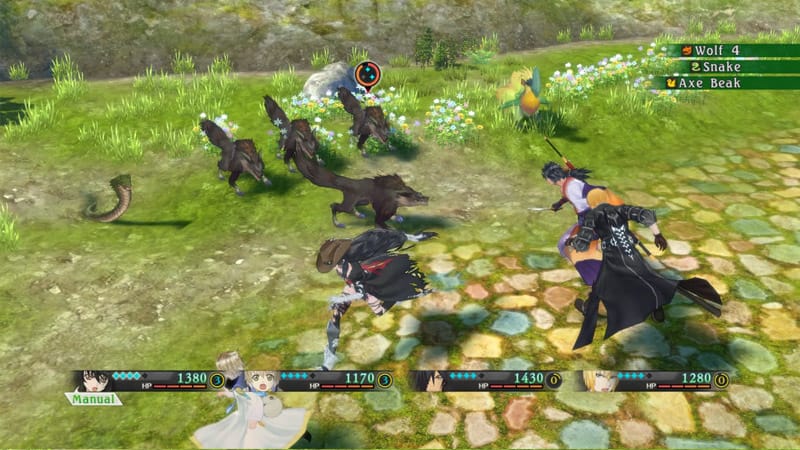
Berseria’s real-time action combat is where opinions diverge. At its best, it’s an exhilarating ballet of combos, dodges, and flashy Mystic Artes. At its worst, it devolves into button-mashing chaos where strategy takes a backseat to spamming your most powerful moves.
Here’s how it works: You control one character while AI handles your three companions. Battles unfold in open arenas where you chain together artes (special attacks) to create devastating combos. The Soul Gauge system is the secret sauce—each character has “souls” that power their abilities. Run out, and you’re severely weakened. But steal souls from stunned enemies using Break Soul attacks, and you’ll unleash extended combo strings that feel incredible when executed properly.
What I loved:
- The variety of playable characters (all six party members have distinct playstyles)
- Velvet’s Switch Blast mechanic that transforms her arm mid-combo
- Mystic Artes animations that rival anything in modern JRPGs
- Freedom to experiment with arte combinations
What felt lacking:
- Difficulty spikes can be uneven
- Enemy encounters sometimes feel like filler
- Camera struggles in tight spaces
- The depth isn’t always apparent until late game
For newcomers, the remastered version adds a crucial quality-of-life feature: the ability to toggle enemy encounters entirely. Grinding fatigue? Just turn encounters off temporarily. It’s a game-changer for pacing.
Remaster Improvements: More Than Just a Fresh Coat of Paint
So what exactly does the “remastered” label get you? Bandai Namco delivered a comprehensive suite of enhancements through the 30th Anniversary Remastered Project, though the visual upgrades are admittedly modest.
Visual and Performance Upgrades
The remaster targets 60 FPS on PlayStation 5 and Xbox Series X|S (with the Switch version running at a stable 30 FPS). Character models received subtle polish, textures look sharper, and loading times have been drastically reduced. However, if you’re expecting a ground-up visual overhaul like Final Fantasy VII Remake, temper your expectations. This is more refinement than reinvention.
Side-by-side comparisons with the 2017 original show improved anti-aliasing, better shadow resolution, and enhanced lighting effects. It’s noticeable if you’re looking for it, but Berseria’s art direction always leaned toward anime aesthetics rather than photorealism, so the changes won’t blow anyone away.
Quality-of-Life Features That Actually Matter
Here’s where the remaster truly shines. Bandai Namco listened to fan feedback and implemented changes that modernize the experience:
Movement and Navigation:
- 20% faster default movement speed (including Geoboard travel)
- Destination markers with distance indicators
- Instant fast travel from the start via Bottomless Bottles
- Sub-event icons highlighting optional content
- Unlockable full map display
Combat and Progression:
- Grade Shop available from the first playthrough with 11,200 starting Grade
- Battle retry option after game overs
- Toggle enemy encounters on/off
- Subtitle display during battle dialogue
- Key customization for both field and battle controls
Menu and Interface:
- “NEW!” icons for acquired items and learned artes
- Return-to-top functionality in menus
- Auto-save at key story points
- Enhanced skip function for repeated events
- Brightness adjustment (101 levels)
Audio Options:
- Voice language switching (Japanese/English) mid-game
- Battle BGM customization (includes original DLC tracks)
- Overall volume controls
- Improved sound effect mixing
Perhaps most significantly, the remaster includes nearly all original DLC (costumes, items, attachments) from launch, minus a few items. For $39.99, you’re getting the complete package that would’ve cost over $100 at release.
How Does Berseria Compare to Other Tales Games?
Having played most modern Tales entries—including Tales of Graces f and Tales of Xillia (both also part of the remaster project)—Berseria occupies a unique space in the franchise.
Compared to Tales of Zestiria: Berseria is widely considered superior in almost every aspect. While Zestiria suffered from confusing equipment fusion systems and a sanctimonious protagonist, Berseria streamlined mechanics and delivered morally complex characters. The prequel connection enriches both games, but Berseria stands perfectly fine on its own.
Compared to Tales of Graces f: Graces f still holds the crown for best combat system in the series—its CC-based approach offers more tactical depth. However, Berseria obliterates Graces f in story, character development, and world-building. If you prioritize narrative over combat mechanics, Berseria wins handily.
Compared to Tales of Xillia: These two are closely matched. Xillia has a more traditional fantasy setting and dual-protagonist system, while Berseria goes darker and more mature. Both feature strong female leads (Milla Maxwell and Velvet Crowe), but Velvet’s anti-hero arc feels more daring and memorable.
Compared to Tales of Arise (2021): Arise modernized the Tales franchise for a new generation with stunning visuals and refined combat. It’s more polished technically, but some fans found its story predictable compared to Berseria’s morally gray narrative. Think of Berseria as the edgier, more character-driven experience.
The World of Berseria: A Beautifully Tragic Setting
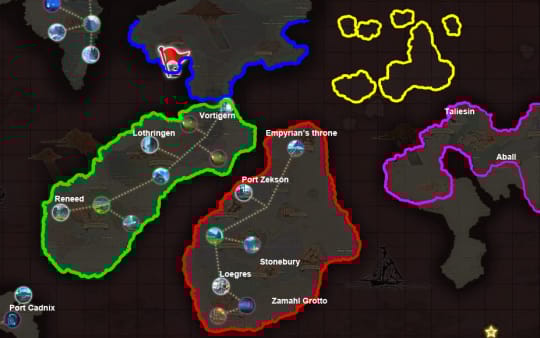
The Holy Midgand Empire sprawls across an archipelago dotted with islands, ancient ruins, and diverse biomes. Unlike open-world JRPGs, Berseria uses a hub-and-spoke design with discrete areas connected by world map navigation. It feels somewhat dated compared to modern seamless worlds, but the art direction makes up for it.
Each location tells a story. The port town of Loegres bustles with Abbey faithful. The prison fortress Titania holds society’s unwanted. Hellawes village showcases humans and daemons coexisting in secret. The environmental storytelling consistently reinforces the game’s themes of prejudice, fear, and the cost of order.
Exploration rewards curiosity with hidden Katz Boxes (collectibles), rare herbs for crafting, and optional dungeons. The remaster’s addition of treasure chest icons on the mini-map eliminates tedious backtracking, though completionists might miss the discovery aspect.
The Cast: Why These Misfits Matter
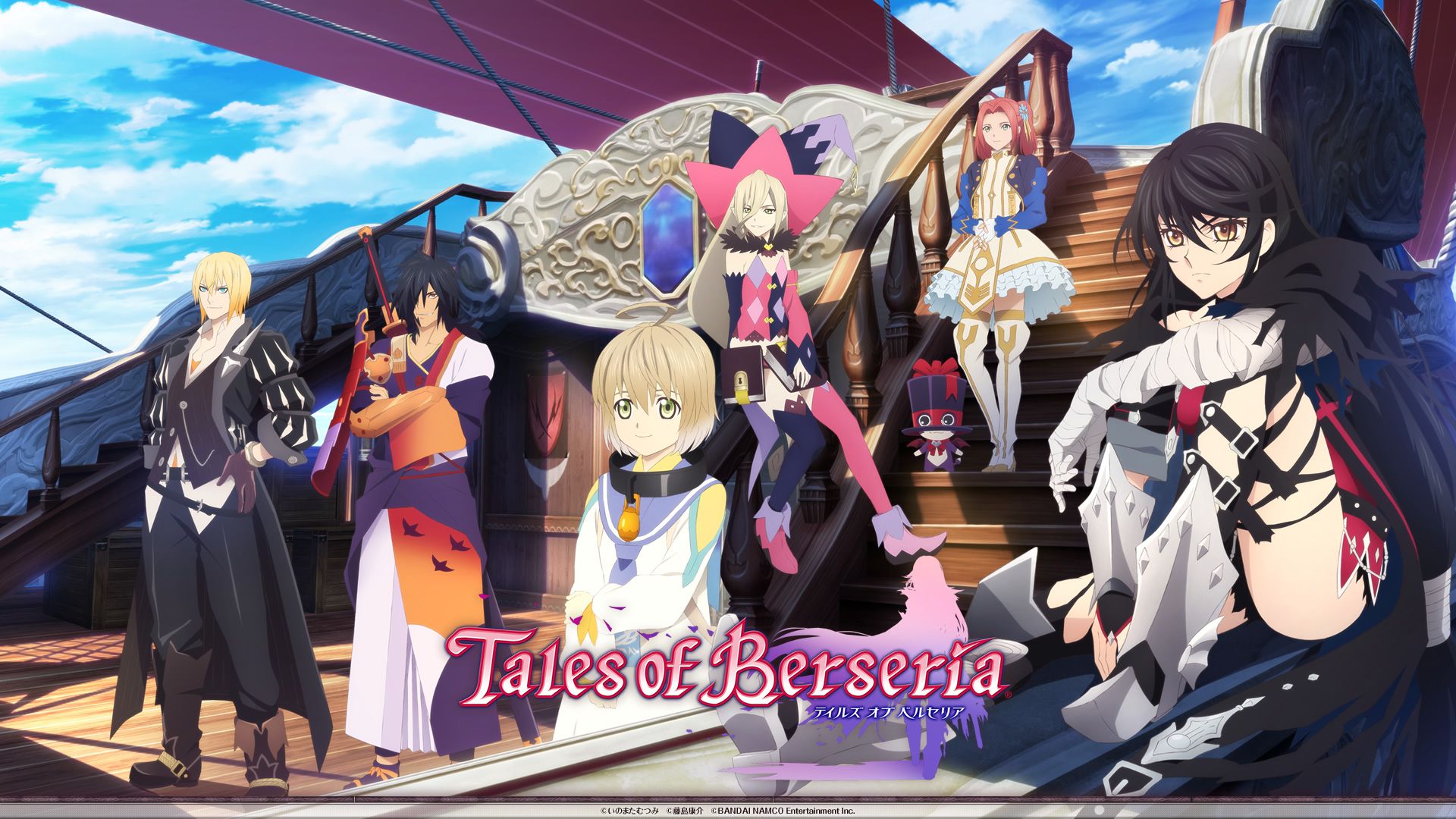
I can’t overstate how much Berseria’s characters elevate the experience. This ragtag group of antiheroes grows from reluctant allies to found family, and their interactions—delivered through thousands of optional “skits” (short dialogue scenes)—create genuine emotional investment.
Velvet Crowe: Our daemon protagonist starts consumed by vengeance but slowly rediscovers her humanity through her companions. Her character arc is phenomenal.
Laphicet (Phi): A Malak (spiritual being) named after Velvet’s murdered brother. His innocence and curiosity provide heartwarming contrast to the party’s cynicism.
Rokurou Rangetsu: A daemon swordsman obsessed with defeating his older brother. His unwavering loyalty and comic relief make him instantly lovable.
Magilou: A witch with a theatrical flair who constantly trolls the party. She’s hilarious, mysterious, and hiding depths you won’t see coming.
Eizen: A cursed pirate with catastrophically bad luck. His philosophical conversations about fate and free will add intellectual heft.
Eleanor Hume: An Abbey Exorcist who questions her order’s methods. Her ideological journey mirrors the player’s moral questioning.
The chemistry between these six drives Berseria’s best moments. Late-game plot twists hit harder because you genuinely care about these broken people finding redemption together.
Technical Performance Across Platforms
Having tested the PS5 and Switch versions, here’s what to expect:
PlayStation 5 / Xbox Series X:
- Solid 60 FPS in most scenarios
- Occasional drops during intensive Mystic Arte sequences
- Load times under 3 seconds
- Screenshot and video capture fully supported
Xbox Series S:
- Mostly 60 FPS with rare dips to 50s
- Comparable visual quality to Series X
Nintendo Switch:
- Stable 30 FPS (minor drops in busy areas)
- Noticeable resolution reduction in handheld mode
- Still perfectly playable and portable
- Longer load times (5-7 seconds average)
PC (Steam):
- Unlocked framerate (120+ FPS capable)
- Ultrawide monitor support
- Standard graphics options (resolution, anti-aliasing, etc.)
- Best visual experience if you have the hardware
All versions include cross-platform parity for features—you’re not missing quality-of-life improvements regardless of platform choice.
Should You Buy Tales of Berseria Remastered?
This depends entirely on your history with the game and your JRPG preferences.
Buy it if:
- You’ve never experienced Berseria (it’s fantastic)
- You want a dark, character-driven JRPG narrative
- You appreciate action-RPG combat with customization depth
- You’re a Tales series completionist
- You want the definitive version with all DLC
Skip it if:
- You recently played the 2017 original (changes are modest)
- You prefer turn-based combat
- You need cutting-edge graphics
- You dislike anime tropes and lengthy dialogue
Maybe wait for a sale if:
- You’re only mildly curious about the Tales franchise
- You have a massive backlog
- Budget is tight (it will go on sale eventually)
At $39.99, I believe it’s fairly priced considering the content volume and included DLC. However, the original PS4/PC versions can be found for $10-15 on sale, making this primarily a “convenience” remaster rather than an essential upgrade for existing owners.
Tales Coins and Postgame Content
For completionists, Berseria offers substantial postgame challenges. Tales Coins—earned through minigames like Prickleboar Poker and Gold Striker—unlock exclusive costumes, attachments, and items. The remaster makes farming these significantly easier with fast-forward options during repetitive minigame sequences.
The “Making a Mint” trophy (earning 100,000 Tales Coins) remains one of the grindiest achievements, but smart players can rack up 2,000+ coins every 30 seconds with optimized strategies. Dedicated fans report needing 40-50 hours for platinum/100% completion beyond the main story.
Optional superbosses, challenging dungeons, and New Game+ with Grade Shop bonuses provide motivation to keep playing. The early Grade Shop access in the remaster means you can tackle harder difficulties from the start if you want a serious challenge.
The Verdict: A Worthy JRPG Experience
Tales of Berseria Remastered doesn’t reinvent the wheel, but it didn’t need to. The core experience remains one of the Tales franchise‘s strongest offerings—a mature, emotionally resonant story brought to life by unforgettable characters. The remaster’s quality-of-life improvements and performance enhancements create the definitive way to experience Velvet’s journey, even if the visual upgrades won’t turn heads.
For JRPG fans seeking a darker narrative than genre norms typically deliver, Berseria hits different. It asks uncomfortable questions about justice, revenge, and whether noble ends justify terrible means. Few games in the genre tackle moral ambiguity with this much nuance.
Final Score: 8.5/10
Pros:
- Exceptional character writing and development
- Mature, morally complex storyline
- Extensive quality-of-life improvements
- Solid 60 FPS on current-gen consoles
- Includes nearly all original DLC
- 50+ hours of content
Cons:
- Visual upgrades are incremental, not transformative
- Combat can feel button-mashy without proper understanding
- Pacing drags in middle chapters
- Not all original DLC included
- Camera issues during combat
Where to Play and Purchase
Tales of Berseria Remastered is available now on:
- PlayStation 5
- Xbox Series X|S
- Nintendo Switch
- PC (Steam)
Pricing:
- Standard Edition: $39.99
- Deluxe Edition: $49.99 (includes Battle BGM Pack, Digital Artbook & Soundtrack, Growth Support items)
You can purchase directly from the Bandai Namco Store, Steam, or your platform’s digital storefront.
Frequently Asked Questions
Is Tales of Berseria Remastered worth it for newcomers? Absolutely. If you’ve never played Berseria, this is the best version available with modernized controls and quality-of-life features that smooth out the original’s rough edges.
Do I need to play Tales of Zestiria first? No. While Berseria is technically a prequel, it’s designed as a standalone experience. Many players actually recommend playing Berseria first, then experiencing Zestiria to catch the connections.
How long does it take to beat? Main story: 40-50 hours. Completionist: 80-100 hours including all side content, superbosses, and trophy hunting.
Is the Deluxe Edition worth the extra $10? If you’re a music fan, yes—the soundtrack and artbook are high quality. The Battle BGM Pack lets you swap combat music for variety. Casual players can skip it.
Can I play offline? Yes, Berseria is entirely single-player with no online components. Perfect for handheld Switch play during commutes.
Related Content You Might Enjoy
Looking for more puzzle and gaming content? Check out our latest guides:
- NYT Connections puzzle walkthrough
- Latest gaming industry news and reviews
- Wordle hints and answer guides
For more information about the Tales series and upcoming remasters from the 30th Anniversary Remastered Project, visit the official Tales of 30th Anniversary site.
Watch Tales of Berseria Remastered in Action:
- Tales of Berseria Remastered Review – The Final Verdict
- Tales of Berseria Remastered Gameplay Walkthrough
- Original vs Remastered Graphics Comparison
- Tales of Berseria Remastered – When Story Outshines Combat
Tales of Berseria Remastered proves that even games less than a decade old can benefit from thoughtful modernization. Whether you’re diving in for the first time or revisiting Velvet’s tale of vengeance, this remaster offers the best way to experience one of the Tales franchise‘s darkest and most compelling adventures. Just don’t expect a visual revolution—the real improvements lie in how it plays, not how it looks.